Did You Know?
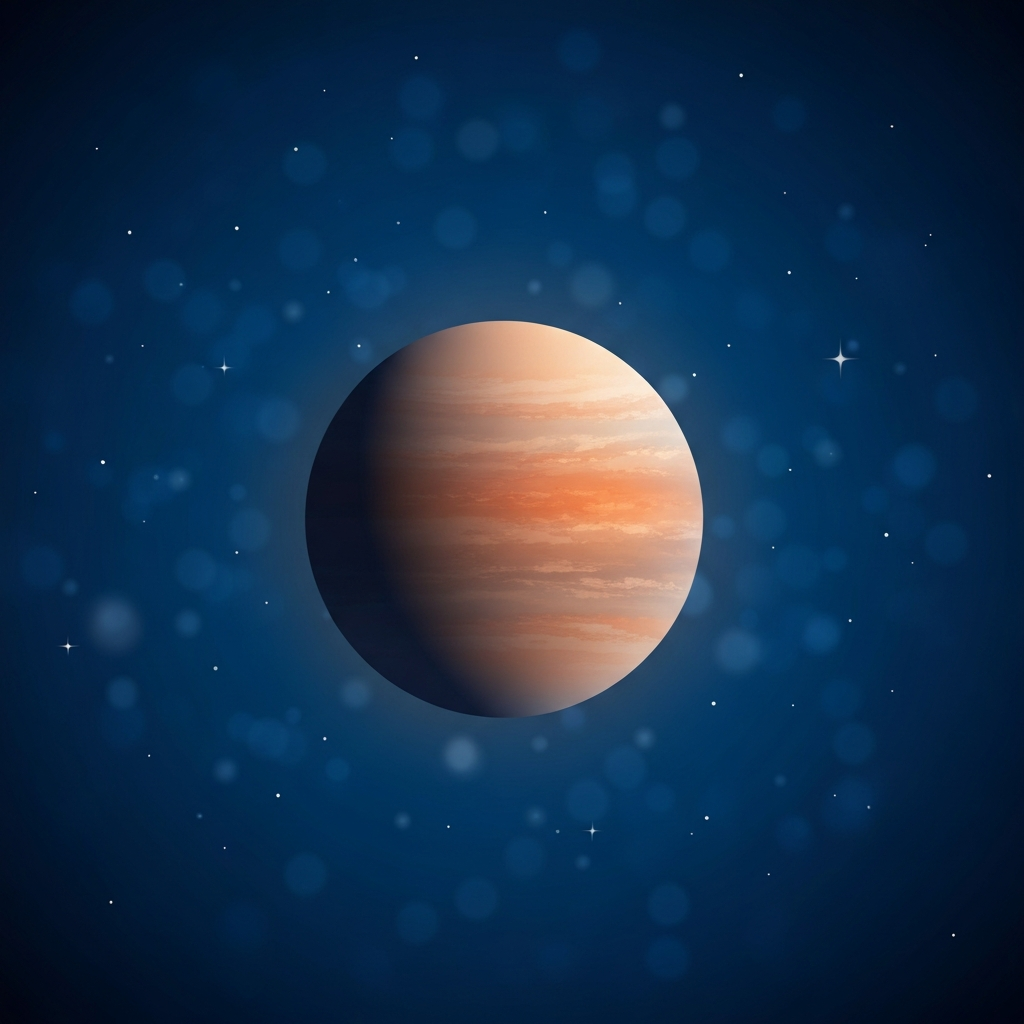
Jupiter is the biggest planet in our Solar System!
What Are Planets Made Of?
Planets can be made of rock, gas, or ice.
How Do Planets Move?
Planets move in circles around the Sun.
What Planet Does
Planets have different sizes and shapes.
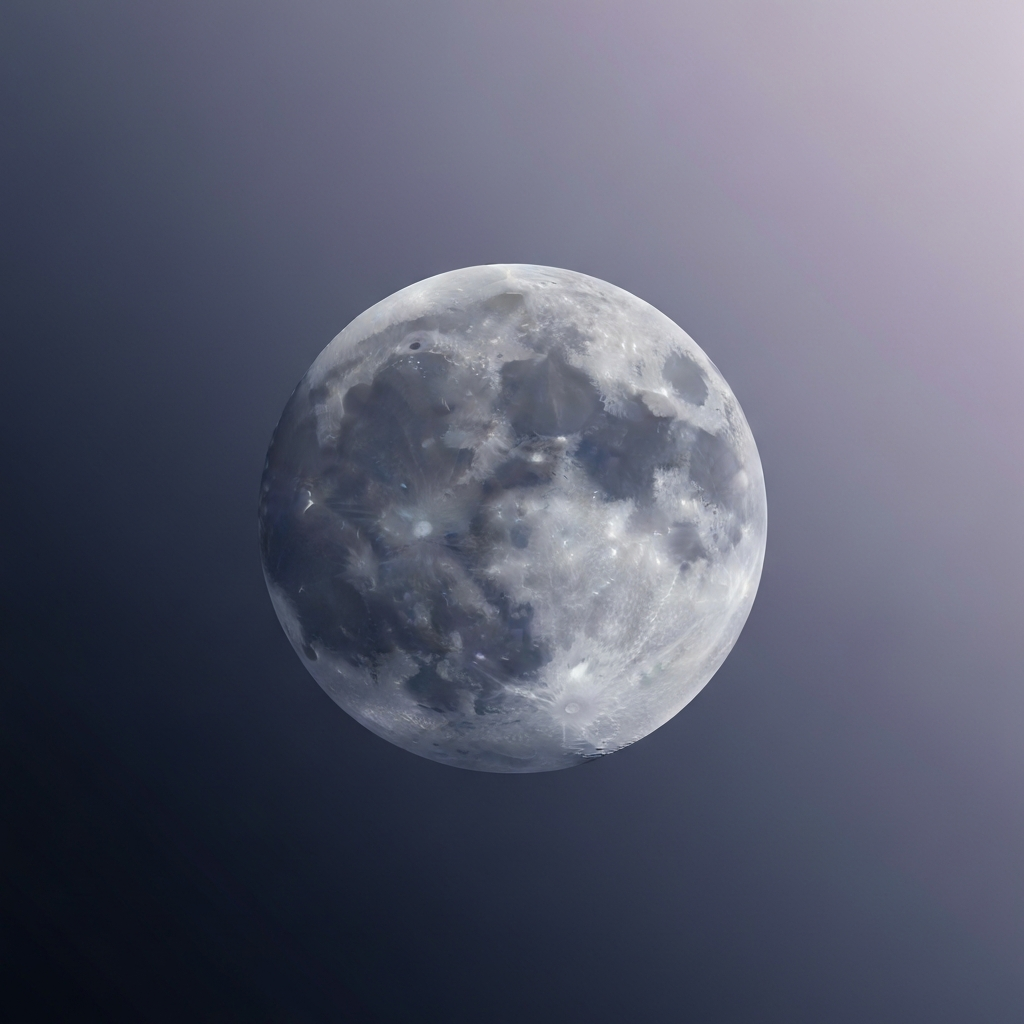
Some planets have moons that go around them.
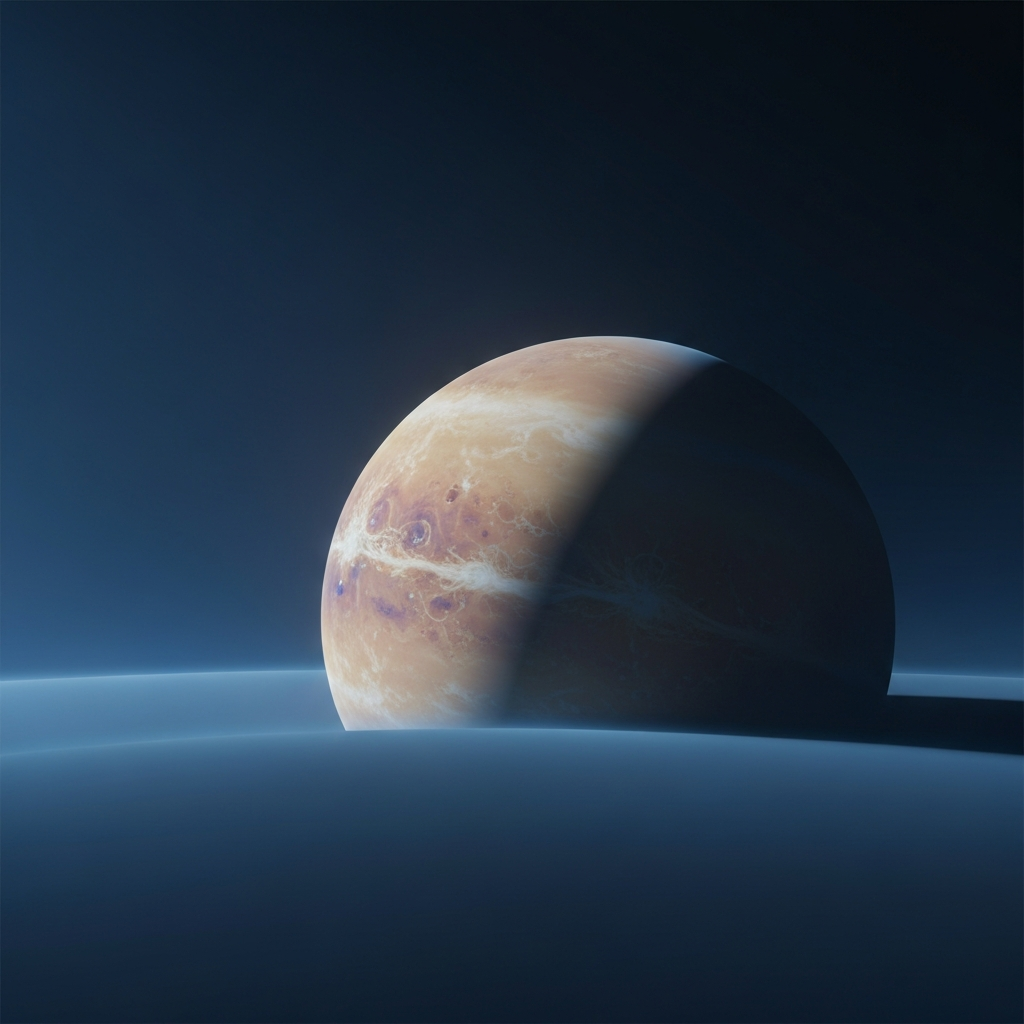
Planets can be hot like Venus.
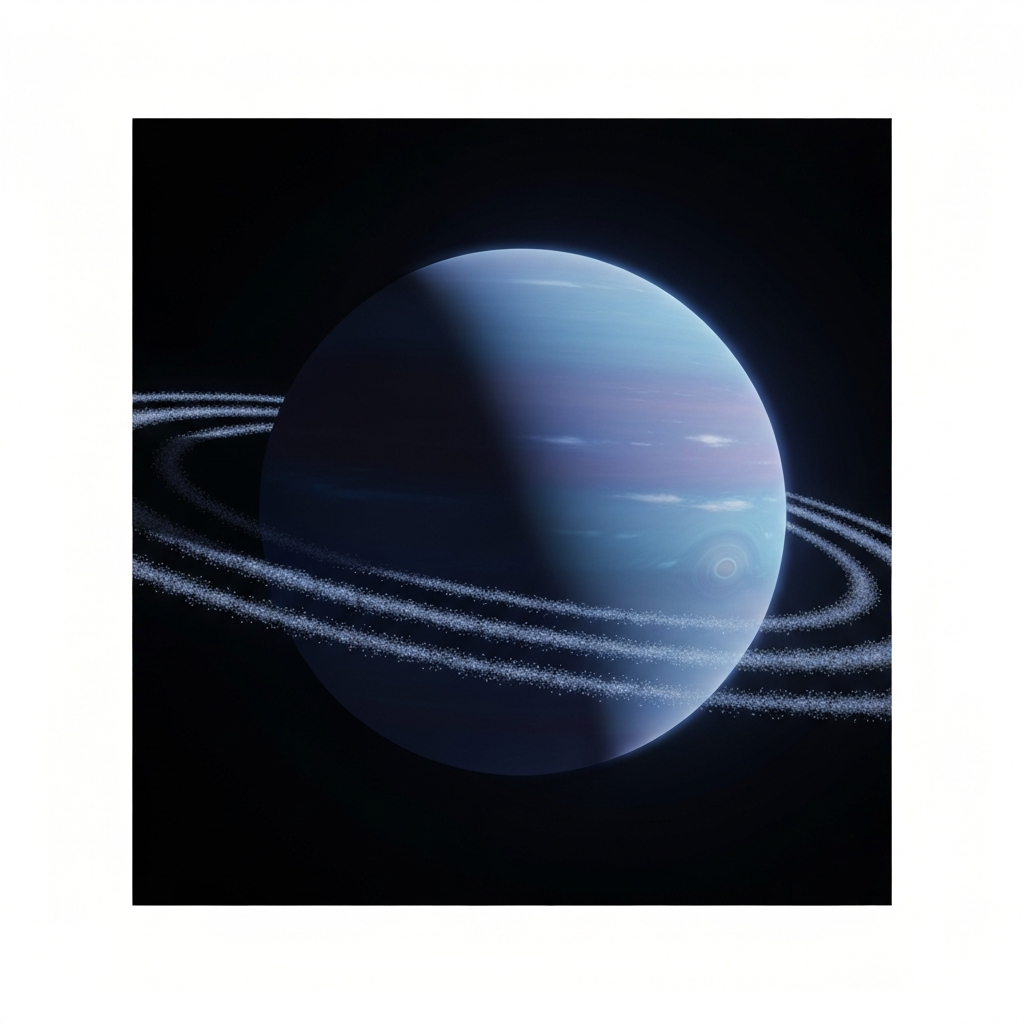
Planets can be cold like Neptune.
Planets are far away from each other.
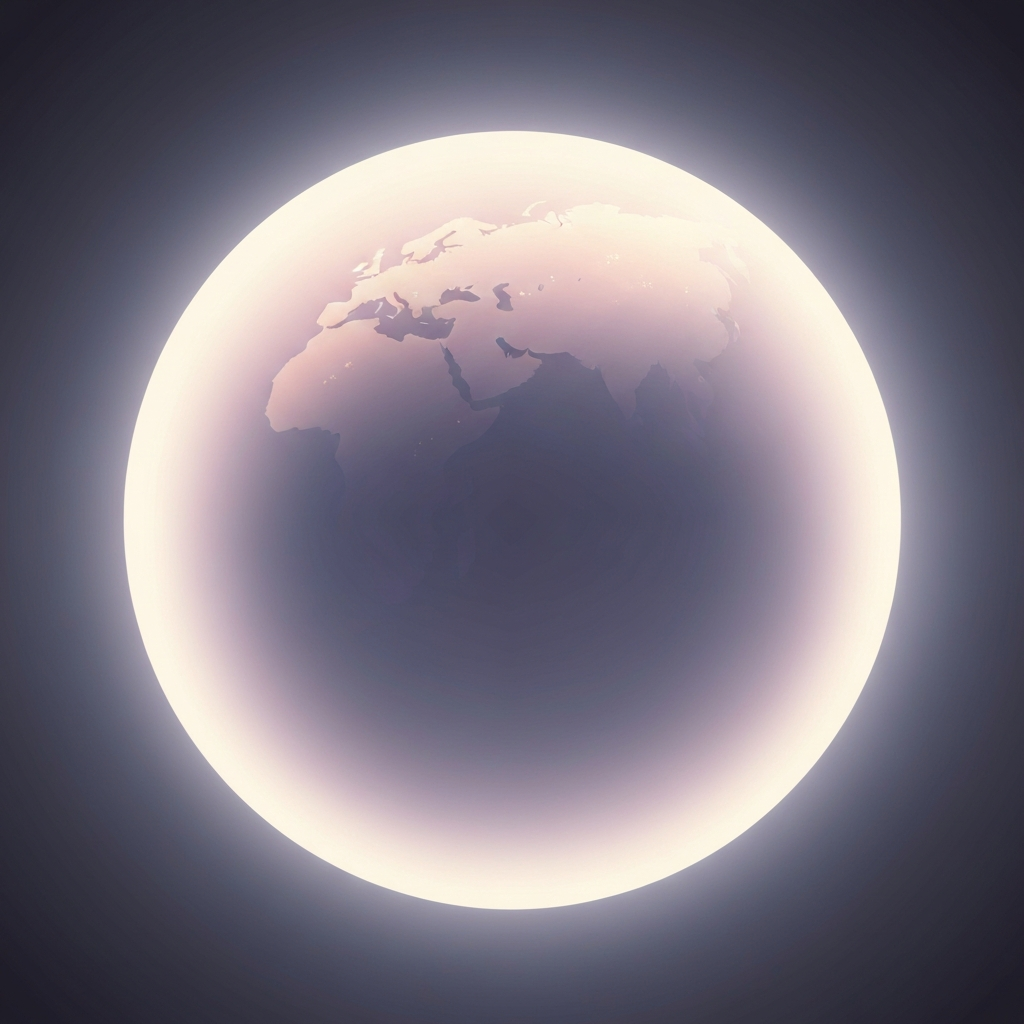
We can see some planets in the night sky.
More About Planets
Long ago, people looked at the stars. They saw bright dots and thought they were special. They named them planets. Now we know more about them!
Planets are part of our space. They help us learn about the world. We can see them with a telescope or even with our eyes!
In the future, we may go to other planets. It would be cool to see what they are like up close!
How Topics Connect
graph TD
A["Planet Definition"] --> B["Orbit Around Star"]
A --> C["Not a Star"]
D["Solar System"] --> E["Eight Planets"]
E --> F["Terrestrial Planets"]
E --> G["Giant Planets"]
H["Planet Formation Theory"] --> I["Nebular Hypothesis"]
I --> J["Accretion Process"]
What Do These Words Mean?
astronomical body:A large object in space, like a planet or star.
nebular hypothesis:A theory explaining how stars and planets form from clouds of gas and dust.
protoplanetary disk:A disk of gas and dust around a young star where planets can form.
accretion:The process of gathering more material to grow larger.
stellar remnant:The leftover part of a star after it has used up its fuel.